
Fresh interior paint can make a place feel cleaner, brighter, and more “looked after” within a weekend. It can also go pear-shaped fast if prep is rushed or the wrong paint system is used.
If you’re in Sydney or nearby (Wollongong, the Central Coast, Newcastle), the big challenge isn’t finding someone who can “paint”. It’s finding someone who will do the unglamorous parts properly: protection, surface repairs, cutting-in, consistent coverage, and a tidy finish that holds up after the first summer.
This guide breaks down what to look for, what to ask, and what a professional interior paint job should include.
What counts as “professional interior painting”?
A professional interior paint job isn’t just colour on walls. It’s a process that controls risk.
In plain terms, it means:
Prep is treated as the main job, not a quick start.
Surfaces are made paint-ready, including repairs and sealing where needed.
The right paint and finish are chosen for the room, lighting, and wear.
Edges are clean, coverage is even, and the finish looks consistent at different times of day.
Your home is protected, and the site is left neat.
A lot of disappointing paint jobs happen because the quote is built around speed, not the standards of an experienced professional house painter. The painter “gets it on” quickly, but the result shows every patch, shadow, and roller line.
Professional is slower up front, quicker later.
It’s boring in the middle.
And it looks spot on at the end.
Why interiors fail first (and how to spot the warning signs)
Interior paint failures are usually not “bad paint”. They’re poor preparation or a mismatch between surface and coating.
Here are the common culprits.
1) Walls that weren’t properly prepared
If you can see dents, ripples, old flaking edges, or shiny spots under new paint, the surface wasn’t repaired and levelled.
What it looks like:
Patch “ghosting” through the topcoat
Lumpy sections around previous fixes
Flaky edges returning within months
2) Stains that bleed back
Water marks, smoke stains, and some older repairs need stain-blocking primers. Painting straight over them often means they reappear.
What it looks like:
Yellow/brown marks are coming back through the white walls
Uneven sheen in the same area
3) The wrong sheen level for the room
Flat and matte can hide imperfections, but they’re not always ideal for high-touch zones. Semi-gloss can be too shiny for large wall areas and show every bump.
What it looks like:
Walls that “flash” in sunlight
Marking around doorways and hallways that won’t clean off
4) Rushed cutting-in and rolling
You’ll notice it most around ceilings, cornices, and trim lines.
What it looks like:
Wobbly edges
Different texture where the brush meets the roller
Patchy coverage near corners
5) Poor ventilation and curing
Sydney's humidity can be a fair bit unpredictable. Paint needs correct drying and curing conditions, especially in bathrooms, laundries, and kitchens.
What it looks like:
Soft paint that marks easily
Sticky feel around doors and trims
Early mould spotting in wet zones
If you’ve ever walked into a “freshly painted” room and immediately noticed roller lines in the sunlight, that’s not bad luck. That’s a process problem.
The prep work that separates good from average
Prep is where the job is won or lost. It’s also the easiest part to underquote.
A proper interior prep process usually includes:
Moving and protecting furniture (or working around it safely)
Drop sheets and floor protection that doesn’t slip
Taping and masking where it makes sense (not everywhere)
Filling dents, cracks, and nail holes
Sanding patches smooth and feathered
Sealing exposed filler so the finish looks even
Cleaning surfaces where there’s grease or buildup (kitchens especially)
Walls are rarely “ready to paint” just because they look okay from two metres away.
One small but telling sign: after the first sanding pass, the room looks worse. That’s normal. The defects become obvious before they disappear.
Operator experience moment
In real homes, the biggest “wow” difference usually comes from the boring part: patching and sanding until the wall feels flat under your hand. I’ve seen rooms where the colour choice was perfect, but the finish still looked messy because every old repair telegraphed through. When prep is done properly, even a simple off-white can look high-end.
Paint choice matters, but not the way most people think
Most homeowners focus on colour first, which is fair. But painters tend to think in systems: primer + undercoat (if needed) + topcoats, matched to the surface and room use.
Here’s what’s worth understanding before you lock in the plan.
Low odour / low VOC paints
If you’re painting bedrooms, nurseries, or living areas you’ll occupy straight away, low odour and low VOC options can make the experience a lot easier. You still need ventilation, but the “new paint smell” doesn’t hang around as long.
Finish selection (matt, low-sheen, semi-gloss)
Matte/flat: Hides imperfections best, but can be harder to clean.
Low-sheen: A practical all-rounder for most walls.
Semi-gloss: Often used for trims/doors; durable but highlights defects on walls.
A professional will talk you through how light hits the wall, because sheen behaves differently in morning sun versus harsh afternoon glare.
Ceilings and cornices
Ceilings usually need a flatter finish and careful rolling to avoid “picture framing” and lap marks. Cornices can show every wobble if the cut-in isn’t steady.
Ceilings are not a “quick add-on”.
Neither is the skirting.
And doors take longer than people expect.
What a solid interior painting quote should include
Quotes can be hard to compare because they can sound similar on paper.
A useful quote should clearly state:
Areas included (rooms, ceilings, trims, doors, feature walls)
What prep is included (repairs, sanding, stain sealing)
Paint system (number of coats, primer where required)
Brand/product level (or at least “premium washable low-sheen”, etc.)
Protection and clean-up scope
Timing (start date, expected duration, drying time considerations)
If the quote is vague, you’re taking a gamble.
Three practical opinions, based on how jobs usually go:
I’d prioritise prep and paint quality over rushing the schedule.
I’d rather pay for two proper topcoats than “one coat that should do”.
If the painter can’t explain their process simply, I wouldn’t hand them the keys.
Step 1: Ask these questions before you book
You don’t need to interrogate anyone. Just ask the questions that reveal whether the process is real.
How will you handle wall repairs and patch sealing?
Listen for sanding, feathering, and sealing filler.How many coats are included, and where would you prime?
A good painter can explain when primer is required.What protection do you use for floors and furniture?
“We’ll be careful” isn’t a plan.How do you manage ventilation and drying time?
Especially important in humid periods and wet areas.Who will be on-site, and who is responsible for quality checks?
You want accountability, not a rotating crew.
If you want a benchmark of what to expect from professional interior painters, look for clear scope, clear prep steps, and clear inclusions—without fluffy promises.
Step 2: Walk through your home as a painter would
Before the job starts, do a slow lap of the rooms and note the things that affect the outcome.
Hairline cracks near cornices
Dents behind doors
Stains or old watermarks
Glossy patches (old enamel or heavy cleaning zones)
Mould risk areas (bathrooms, laundry, poorly ventilated rooms)
Then decide what matters most: is it a quick refresh, or do you want a “new build” level finish?
Both are fine. But mixing expectations is where frustration starts.
Australian SMB mini-walkthrough: a small clinic refresh in the Inner West
Let’s say you run a small allied health clinic with two consultation rooms, a reception area, and a hallway. You want it looking sharp, but you can’t shut down for long.
Book the work around your quietest days, not your busiest.
Start with the reception and hallway first (they’re what clients notice).
Choose a washable low-sheen on walls and a durable finish on doors.
Allow extra drying time for winter or humid weeks.
Keep colours simple and consistent so touch-ups are easier later.
Ask for protection plans around signage, flooring, and front desk counters.
Do a final walk-through under strong light before reopening fully.
For small businesses, the best paint job is the one that looks calm, clean, and doesn’t disrupt operations more than needed.
Common interior areas and what “good” looks like
Bedrooms and living rooms
These spaces are all about evenness. You want consistent coverage with minimal texture variation.
Good looks like:
Even finish across the whole wall
Clean lines at ceilings and cornices
No roller lines that appear at certain angles
Kitchens
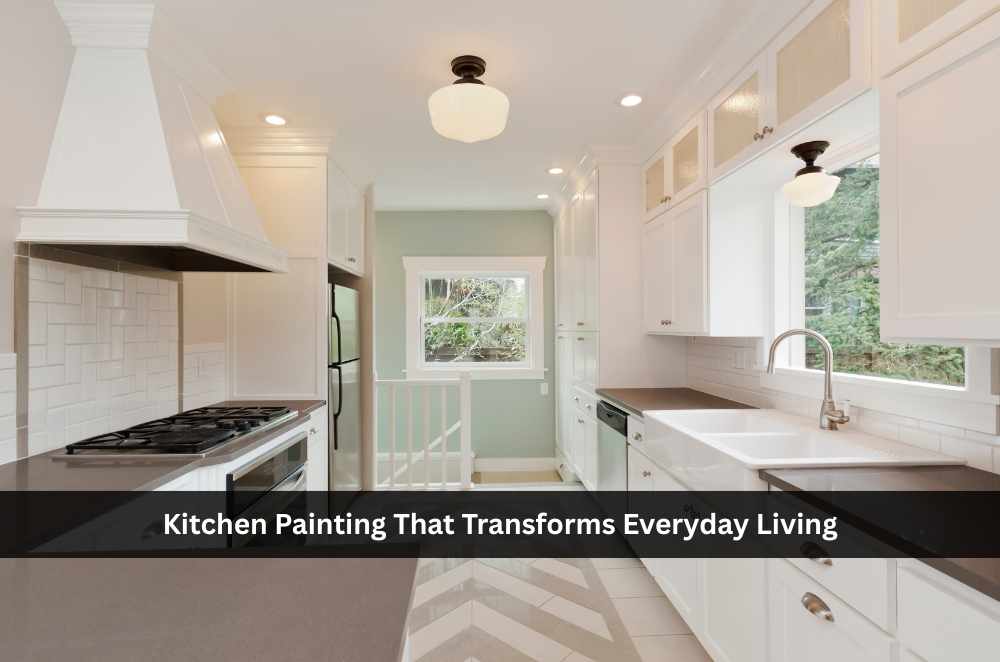
Grease and moisture make kitchens tricky. Surface cleaning and the right paint finish matter.
Good looks like:
Paint that wipes without going shiny in patches
Proper sealing in stain-prone areas
Durable finish around cupboards and splash zones
Bathrooms and laundries
Moisture management is key.
Good looks like:
Mould-resistant system where needed
Proper curing time before heavy steam exposure
Attention to ceilings and corners
Doors, trims, and skirting
This is where the craftsmanship shows.
Good looks like:
Smooth finish without drips
Crisp edges
Hardware was protected and reinstalled neatly
Trim work is often the difference between “painted” and “professionally finished”.
Timing, disruption, and what to plan for
Interior painting is surprisingly noisy and dusty in the prep stage.
A few practical planning tips:
Expect sanding dust, even with good containment.
Move fragile items (frames, glassware) out of the work zones.
Plan for access to power points and clear paths.
Consider pets and kids, especially with drying doors and wet floors.
Ask about recoat windows, because temperature and humidity change timing.
If you’re living in the home during the job, a staged approach (one section at a time) often reduces stress.
How to check the quality before the painter leaves
A proper handover isn’t a rushed “looks good”.
Use a simple checklist:
Look at walls in natural daylight and with lights on
Check corners and cut-in lines
Run your hand lightly over repaired areas (should feel flat)
Check doors open/close without sticking
Confirm paint is cleaned off fittings and switches
Ask what to do for touch-ups and cleaning in the first few weeks
If something needs fixing, it’s best handled while the equipment is still on-site.
Key Takeaways
A professional interior paint job is mostly prep, protection, and a consistent paint system.
Most “patchy” outcomes come from rushed repairs, poor sealing, or wrong sheen choices.
Quotes should clearly state prep scope, coats, inclusions, and timing—not just rooms and a price.
Wet areas and kitchens need extra surface cleaning, ventilation, and curing time planning.
Do a final walk-through in both daylight and artificial light before sign-off.
Common questions we hear from Australian businesses
How do I balance the budget with getting a finish that actually lasts?
Usually, the best value comes from putting money into prep and the correct number of coats, not fancy colour upgrades. A practical next step is to ask the painter what they’d keep if the budget tightens (prep, primer, two topcoats) and what they’d drop (non-essential areas, feature extras). In Sydney homes and shopfronts, humidity and high use can punish shortcuts pretty quickly.
What’s the realistic timeline for repainting interiors if we’re living or working in the space?
It depends on how many rooms there are, how much repair work is needed, and how ventilated the space is. As a next step, ask for a staged plan (for example: bedrooms first, then living areas, then trims) so you’re not boxed into one corner. In NSW coastal pockets like Wollongong and the Central Coast, drying time can stretch during damp weeks, so recoating windows matters.
Should I choose low VOC/low odour paint, or is it just marketing?
In most cases, low odour options make day-to-day living easier during and right after the job, especially in bedrooms and offices. The next step is to confirm ventilation expectations and when it’s safe to reoccupy rooms normally. In Sydney’s summer, good airflow helps curing; in winter, you may need a bit more time before the space feels “normal” again.
How do I know if my walls need more than a simple repaint?
Usually, if you can see ripples, repeated patch marks, stains, or peeling edges, you’ll need repairs and sealing—not just topcoat. A good next step is a pre-start walk-through where the painter points out what they’ll patch, sand, and prime, room by room. Older homes around Sydney suburbs can have layers of paint and past repairs that only show up once the first sand and undercoat go on.









Write a comment ...